
Why Pastors Prefer the Geneva Bible for Sermon Preparation
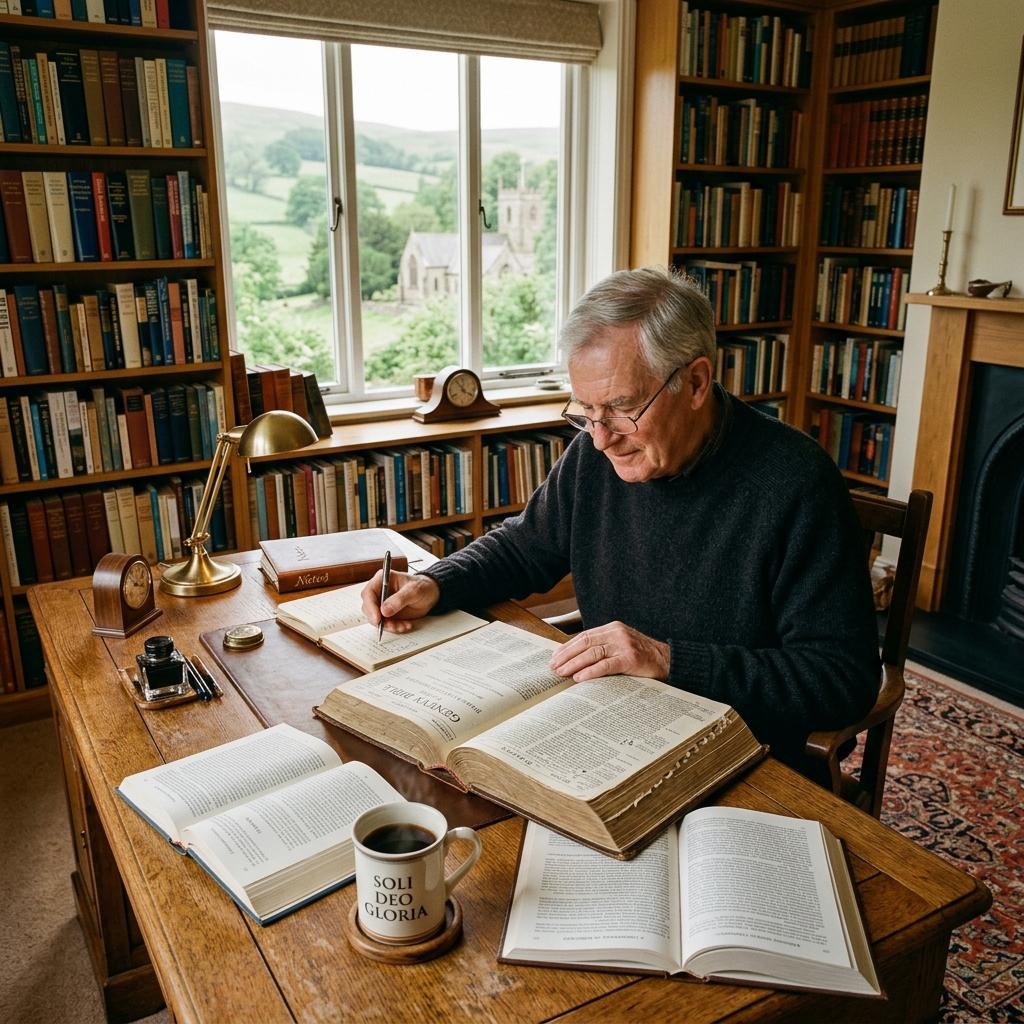
When a pastor sits down to prepare next Sunday's sermon, the choice of Bible translation matters more than most congregants realize. Some reach for the King James Version. Others use the NIV or ESV. But a growing number of serious pastors—particularly those trained in Reformed theology—still choose the Geneva Bible 1560.
This isn't nostalgia. It's not stubbornness about old English. It's practical. Pastors who use the Geneva Bible for sermon prep work faster, think deeper, and preach with more theological nuance. The marginal notes that made the Geneva revolutionary in 1560 still accelerate pastoral research in 2026.
This article explores why the Geneva Bible has become the preferred study tool for thoughtful pastors—and whether it might transform your own sermon preparation.
The Pastoral Problem: Sermon Prep Takes Too Long
Before we understand why pastors choose the Geneva Bible, let's acknowledge the challenge they face.
The Time Crunch
Most pastors preach weekly. Preparing a sermon—reading the text, studying the original language, consulting commentaries, developing theology, crafting application—is time-consuming. A solid sermon typically requires 10-15 hours of preparation. For pastors managing multiple services, midweek services, or teaching other classes, this creates serious time pressure.
Add to this: pastors today often serve smaller congregations without research assistants. They're simultaneously preaching, counseling, visiting, administering, and studying. Time is their scarcest resource.
The Commentary Problem
A pastor typically needs multiple resources:
- The Bible text itself
- A Greek lexicon or interlinear Bible for original language study
- 2-3 commentaries (perhaps Matthew Henry, John MacArthur, and a technical commentary)
- Books on biblical theology or systematic theology
- Topical references
That's a lot of books to consult while preparing one sermon. Modern pastors might use software to integrate these resources, but that requires financial investment and a learning curve.
The Geneva Bible Solution
The Geneva Bible essentially consolidates research resources. Instead of consulting multiple commentaries, a pastor reads the text in Geneva and finds marginal notes explaining context, cross-references to related passages, theological insights embedded in the translation notes, alternative translation options with explanations, and historical and cultural background.
It's like having a commentary built into the Bible itself.
The Marginal Notes: 500,000 Annotations at Your Fingertips
The heart of the Geneva Bible's appeal to pastors is simple: the marginal notes.
What These Notes Actually Contain
Modern Bible readers sometimes assume marginal notes are just alternate word choices. They're much more. Geneva marginal notes include:
- Historical Context Notes: "In the time of David, this region was controlled by the Philistines." These provide archaeological and historical background without requiring the pastor to consult external sources.
- Theological Commentary: "This passage demonstrates God's election and sovereign predestination." The Geneva notes aren't shy about theological interpretation—they reflect Reformed theology clearly, which appeals to pastors in that tradition.
- Cross-Reference Chains: When studying Ephesians 2:8 on salvation by grace, margin notes point to Romans 3:28, Romans 5:15, and Titus 3:5. This creates a theological chain showing how the concept develops across Scripture.
- Variant Readings: "Some manuscripts omit this verse." For pastors concerned about textual criticism, the Geneva notes flag important manuscript variations, saving research time.
- Linguistic Insights: "The Greek word here means both 'judgment' and 'condemnation.'" These notes help pastors understand nuance without consulting Greek lexicons.
Why These Notes Matter More Than You'd Think
A pastor preparing a sermon on justification could spend 2-3 hours minimum reading the biblical text, consulting a Greek lexicon, checking multiple commentaries, and synthesizing findings. Or they could read the text in the Geneva Bible, read the marginal notes, and review key notes in 30-45 minutes with nearly the same depth.
The Theological Confidence Factor
Beyond time savings, pastors prefer the Geneva Bible for theological clarity.
Built-In Reformed Theology
The Geneva Bible's marginal notes were written by Reformed Protestant scholars. For pastors in Reformed churches (PCA, Evangelical Free, reformed Baptists), it's deeply compatible, assuming predestination, God's sovereignty, covenant theology, and the sufficiency of Scripture.
Consistency in Theological Vocabulary
The Geneva Bible uses consistent theological terminology ("grace", "election", "covenant" are uniform). This consistency helps pastors develop coherent theology across their preaching.
The Practical Sermon Prep Workflow
- Read the Passage in Geneva: The pastor reads the assigned text for the week. The Geneva text is immediately familiar.
- Check the Marginal Notes: Pastor scans the margin notes for this passage to get theological context.
- Use the Cross-References: The pastor checks related passages suggested in the margin, building a theological map.
- Consult One Commentary: Pastor consults one solid Reformed commentary to deepen understanding.
- Develop Sermon Points: Pastor synthesizes these notes to build the sermon outline.
Comparing Geneva with Modern Study Bibles
| Factor | Geneva Bible 1560 | Modern Study Bibles (ESV, NKJV) |
|---|---|---|
| Theological notes | Extensive, Reformed tradition | Present but briefer |
| Historical notes | Detailed 16th-century scholarship | Less extensive |
| Language accessibility | Archaic (thee, thou) | Modern, readable |
| Study apparatus density | Very high (can feel overwhelming) | Medium (more focused) |
Modern study Bibles are more accessible, but the Geneva Bible offers deeper theological annotation. Many serious pastors use both. [How to Choose Between Bible Versions]
The Modern Geneva Renaissance
A generation of Reformed theology interest among evangelicals has sparked renewed interest in historical theological resources. Digital Bible platforms now offer the Geneva Bible alongside modern translations, making it accessible without purchasing expensive printed editions.
You can read the Geneva Bible online through Bible Search Hub and compare it instantly with modern translations, reintroducing the Geneva to a new generation of pastors.
Frequently Asked Questions
Can I use the Geneva Bible if I'm not Reformed theologically?
Yes, absolutely. The Geneva's marginal notes reflect Reformed theology, but the translation itself is sound regardless of theological tradition. Non-Reformed pastors simply evaluate the notes using their own theological framework.
Is the Geneva Bible's archaic language really not a problem?
Not for trained readers. Most pastors adjust within a few weeks of regular study. However, reading the Geneva aloud to a modern congregation is challenging—many prefer reading from a modern translation in public worship.
Should I have my congregation use the Geneva Bible?
Probably not as the primary congregational Bible. The archaic language creates barriers for modern listeners. Consider using Geneva for pastoral study and modern translations for congregational reading.
Conclusion: A Tool for Thoughtful Preachers
The Geneva Bible 1560 remains valuable for pastors because it solves a real pastoral problem: saving study time while maintaining depth.
Ready to try the Geneva Bible for your next sermon? Read the Geneva Bible on Bible Search Hub and compare it with the King James Version to see how translation philosophy affects your study process.